How to Build a Multi-Model AI Assistant with Vercel AI Gateway and CoreValue
Build a customer support assistant that switches between AI models based on query complexity while tracking costs
Feature gating: This guide uses Users and Custom Properties, which are non-free features (Growth tier or higher). They may be disabled in your deployment. Requires: Growth tier or higher.
Build a Multi-Model AI Assistant with Cost Tracking
This guide shows you how to build a customer support assistant that intelligently routes queries to different AI models based on complexity, using Vercel AI Gateway for model access and CoreValue for cost tracking and analytics.
Prerequisites
- Vercel AI Gateway API key from your Vercel dashboard
- CoreValue API key from CoreValue
- Node.js project
Setup
Install the required packages:
npm install @ai-sdk/gateway aiCreate the AI Client
Set up a client that routes through CoreValue for monitoring:
import { createGateway } from "@ai-sdk/gateway";
import { generateText, tool } from "ai";
import { z } from "zod";

const gateway = createGateway({
  apiKey: process.env.VERCEL_AI_GATEWAY_API_KEY,
  baseURL: "https://gateway.corevalue.dev/v1/ai",
  headers: {
    Authorization: `Bearer ${process.env.COVA_API_KEY}`,
  },
});
Classify Query Complexity
Use gpt-4o-nano with tool calling for precise classification:
import { tool } from "ai";
import { z } from "zod";

const classifyTool = tool({
  description: "Classify a customer support query by complexity",
  parameters: z.object({
    complexity: z
      .enum(["simple", "complex", "technical"])
      .describe(
        "simple: Basic questions about account, passwords, features. " +
          "complex: Refunds, complaints, escalations, urgent issues. " +
          "technical: API errors, integration issues, code problems.",
      ),
    reasoning: z.string().describe("Brief explanation for the classification"),
  }),
});

async function classifyQueryComplexity(
  query: string,
): Promise<"simple" | "complex" | "technical"> {
  const result = await generateText({
    model: gateway("openai/gpt-4o-nano"),
    tools: {
      classify: classifyTool,
    },
    toolChoice: "required",
    prompt: `Classify this customer query: "${query}"`,
  });

  // Get the classification from the tool call
  const toolCall = result.toolCalls[0];
  return toolCall.args.complexity;
}
Route to Appropriate Model
Use different models based on query complexity to optimize costs:
async function handleCustomerQuery(query: string, customerId: string) {
  const complexity = await classifyQueryComplexity(query);

  // Track complexity in CoreValue
  const headers = {
    "Cova-User-Id": customerId,
    "Cova-Property-Complexity": complexity,
    "Cova-Property-Department": "customer-support",
  };

  let model;
  switch (complexity) {
    case "simple":
      model = gateway("openai/gpt-4o-mini"); // Cheapest, handles basic queries
      break;
    case "complex":
      model = gateway("openai/gpt-4o"); // Better reasoning for complex issues
      break;
    case "technical":
      model = gateway("anthropic/claude-3-5-sonnet"); // Excellent for technical support
      break;
  }

  const response = await generateText({
    model,
    messages: [
      {
        role: "system",
        content:
          "You are a helpful customer support assistant. Be concise and professional.",
      },
      {
        role: "user",
        content: query,
      },
    ],
    headers,
    temperature: 0.3, // Lower temperature for consistent support responses
    maxTokens: 200,
  });

  return {
    answer: response.text,
    model: complexity,
    usage: response.usage,
  };
}
Implement Response Caching
Cache all queries regardless of complexity for maximum cost savings:
async function handleQueryWithCache(query: string, customerId: string) {
  const complexity = await classifyQueryComplexity(query);

  // Enable caching for all complexity levels
  const headers = {
    "Cova-User-Id": customerId,
    "Cova-Property-Complexity": complexity,
    "Cova-Cache-Enabled": "true",
    "Cova-Cache-Bucket-Max-Size": "10",
    "Cova-Cache-Seed": "support-v1",
  };

  // Select model based on complexity
  let model;
  switch (complexity) {
    case "simple":
      model = gateway("openai/gpt-4o-mini");
      break;
    case "complex":
      model = gateway("openai/gpt-4o");
      break;
    case "technical":
      model = gateway("anthropic/claude-3-5-sonnet");
      break;
  }

  return await generateText({
    model,
    messages: [
      { role: "system", content: "You are a helpful support agent." },
      { role: "user", content: query },
    ],
    headers,
    temperature: 0, // Zero temperature for consistent cache hits
  });
}
Complete Support System
Here's the full implementation:
import { createGateway } from "@ai-sdk/gateway";
import { generateText } from "ai";

// Initialize AI Gateway with CoreValue
const gateway = createGateway({
  apiKey: process.env.VERCEL_AI_GATEWAY_API_KEY,
  baseURL: "https://gateway.corevalue.dev/v1/ai",
  headers: {
    Authorization: `Bearer ${process.env.COVA_API_KEY}`,
  },
});

interface SupportTicket {
  id: string;
  customerId: string;
  query: string;
  priority: "low" | "medium" | "high";
}

async function processSupportTicket(ticket: SupportTicket) {
  const complexity = await classifyQueryComplexity(ticket.query);

  // Model selection based on complexity and priority
  let model;
  if (ticket.priority === "high" || complexity === "technical") {
    model = gateway("anthropic/claude-3-5-sonnet");
  } else if (complexity === "complex") {
    model = gateway("openai/gpt-4o");
  } else {
    model = gateway("openai/gpt-4o-mini");
  }

  try {
    const response = await generateText({
      model,
      messages: [
        {
          role: "system",
          content: `You are a customer support agent. Priority: ${ticket.priority}. Be helpful and professional.`,
        },
        {
          role: "user",
          content: ticket.query,
        },
      ],
      headers: {
        "Cova-User-Id": ticket.customerId,
        "Cova-Property-TicketId": ticket.id,
        "Cova-Property-Priority": ticket.priority,
        "Cova-Property-Complexity": complexity,
        // Enable caching for all queries
        "Cova-Cache-Enabled": "true",
        "Cova-Cache-Bucket-Max-Size": "20",
        "Cova-Cache-Seed": "support-v1",
      },
      temperature: 0, // Zero temperature for consistent cache hits
      maxTokens: 250,
    });

    return {
      ticketId: ticket.id,
      response: response.text,
      model: model.modelId,
      cost: response.usage, // Track in CoreValue dashboard
    };
  } catch (error) {
    console.error("Support ticket processing failed:", error);
    throw error;
  }
}

// Example usage
const ticket: SupportTicket = {
  id: "TICKET-12345",
  customerId: "CUST-789",
  query: "How do I reset my password?",
  priority: "low",
};

const result = await processSupportTicket(ticket);
console.log(`Response sent to customer: ${result.response}`);
Monitor Performance
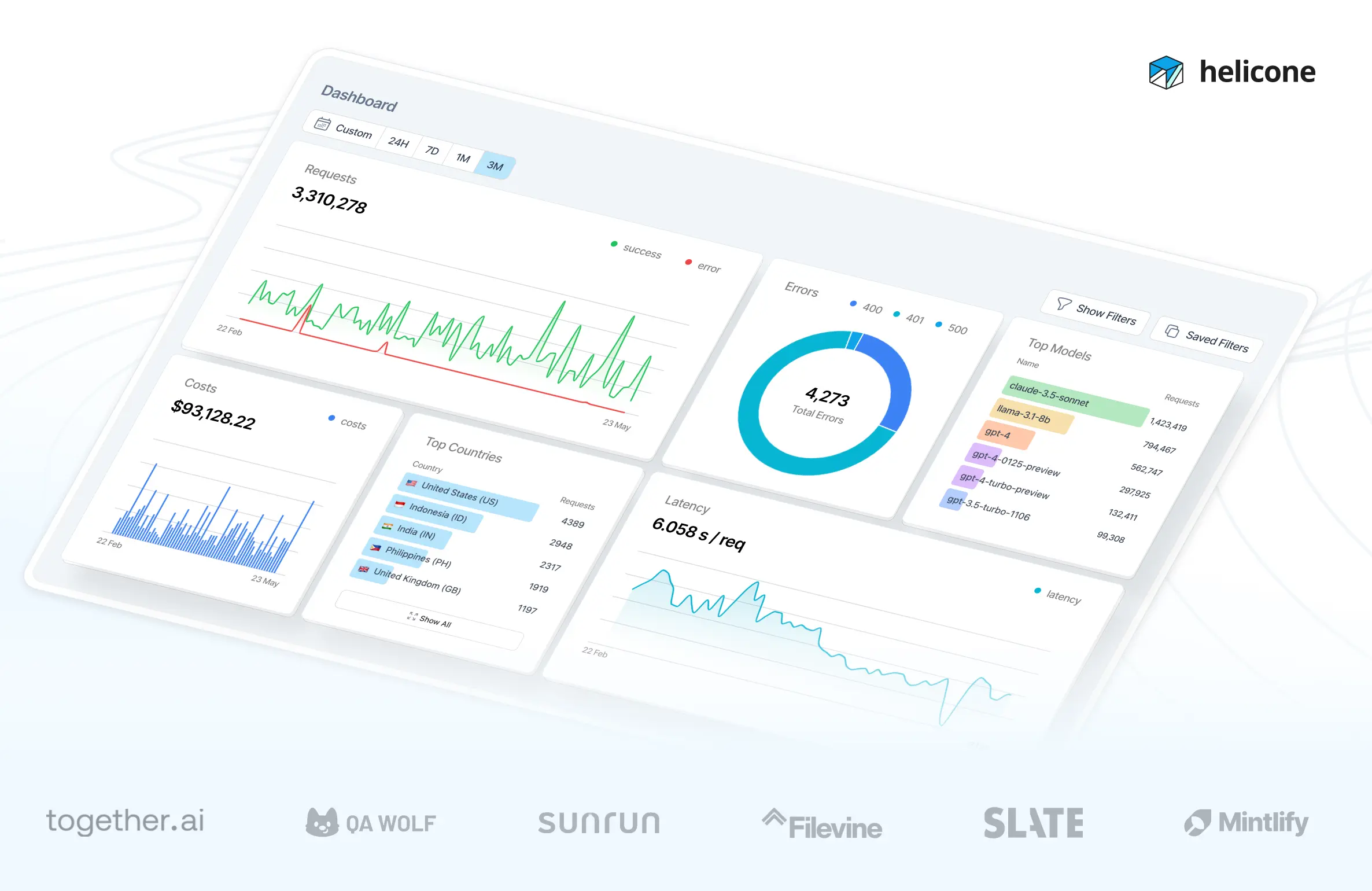
View your assistant's performance in CoreValue:
- Cost Analysis: Compare costs across different models
- Response Times: Monitor latency by model and complexity
- Cache Hit Rate: Track savings from cached responses
- User Analytics: See which customers need the most support
Optimize Based on Data
Use CoreValue's analytics to:
- Identify common queries for caching
- Adjust model selection thresholds
- Track cost per ticket complexity
- Monitor customer satisfaction by model
Next Steps
- Custom Properties — Track additional metadata
- Caching — Reduce costs with smart caching
- User Metrics — Analyze per-customer usage
- Alerts — Set up cost and error alerts
Building and Monitoring AI Agents with CoreValue
Learn how to build autonomous AI agents, monitor and optimize their performance using CoreValue's Sessions.
Build an AI Debate Simulator with Vercel AI Gateway
Create an interactive debate app that showcases different ways to integrate Vercel AI Gateway with CoreValue observability